Emotional Intelligence for Men: 7 Mistakes You're Making (and How to Fix Them)

Let's be real: emotional intelligence isn't exactly something most of us guys were taught growing up. We learned to throw a football, change a tire, maybe even balance a checkbook. But understanding our emotions? That was left off the curriculum.
The thing is, emotional intelligence isn't some touchy-feely concept. It's a practical skill that affects everything from your relationships to your career success. And if you're like most men, you're probably making some common mistakes that are holding you back without even realizing it.
Mistake #1: Trying to Control Your Emotions Like a Light Switch
Here's the biggest misconception: thinking you should be able to control your emotions directly: just flip a switch and make anxiety disappear, sadness vanish, or anger cool off through pure willpower.
This approach backfires spectacularly. You can't directly control your emotions any more than you can control the weather. When you try to avoid painful feelings, you're actually teaching your brain that those emotions are dangerous, which makes them stronger the next time they show up.
How to Fix It: Stop asking "How can I make this feeling go away?" Instead, ask "What can I do despite feeling this way that would be good for me?" Accept that emotions are information, not commands you have to obey or eliminate. Think of them like dashboard warning lights in your car: they're telling you something useful, not demanding you panic.

Mistake #2: Getting Into Arguments All the Time
If you find yourself constantly getting into arguments, that's a red flag for poor emotional intelligence. It shows you're struggling to read situations and regulate not just your own emotions, but understand others' too.
This pattern reveals an inability to step back and see the bigger picture. You end up escalating conflicts that could have been avoided entirely.
How to Fix It: Practice the 24-hour rule. Before engaging in any heated discussion, give yourself time to cool down. Ask yourself: "Is this argument worth potentially damaging this relationship?" Learn to read the room: sometimes the other person is having a bad day and needs space, not a debate. Be willing to let go of your pride over matters that, in the grand scheme of things, don't warrant burning bridges.
Mistake #3: Making Decisions When You're Fired Up
Nothing good comes from making big decisions when your emotions are running high. Whether you're angry, excited, stressed, or even overly optimistic: emotional peaks are terrible times for decision-making.
Hasty decisions can make or break relationships, careers, and personal goals. Yet many men feel pressure to act immediately, especially in professional settings where quick decisions are often valued.
How to Fix It: Create a cooling-off period for important decisions. Even 30 minutes can make a huge difference. For bigger choices, sleep on it. Tell yourself: "I need time and space to make the right call here." This is especially crucial if you tend to be highly emotional. There's nothing weak about taking time to think: it's actually the smarter play.

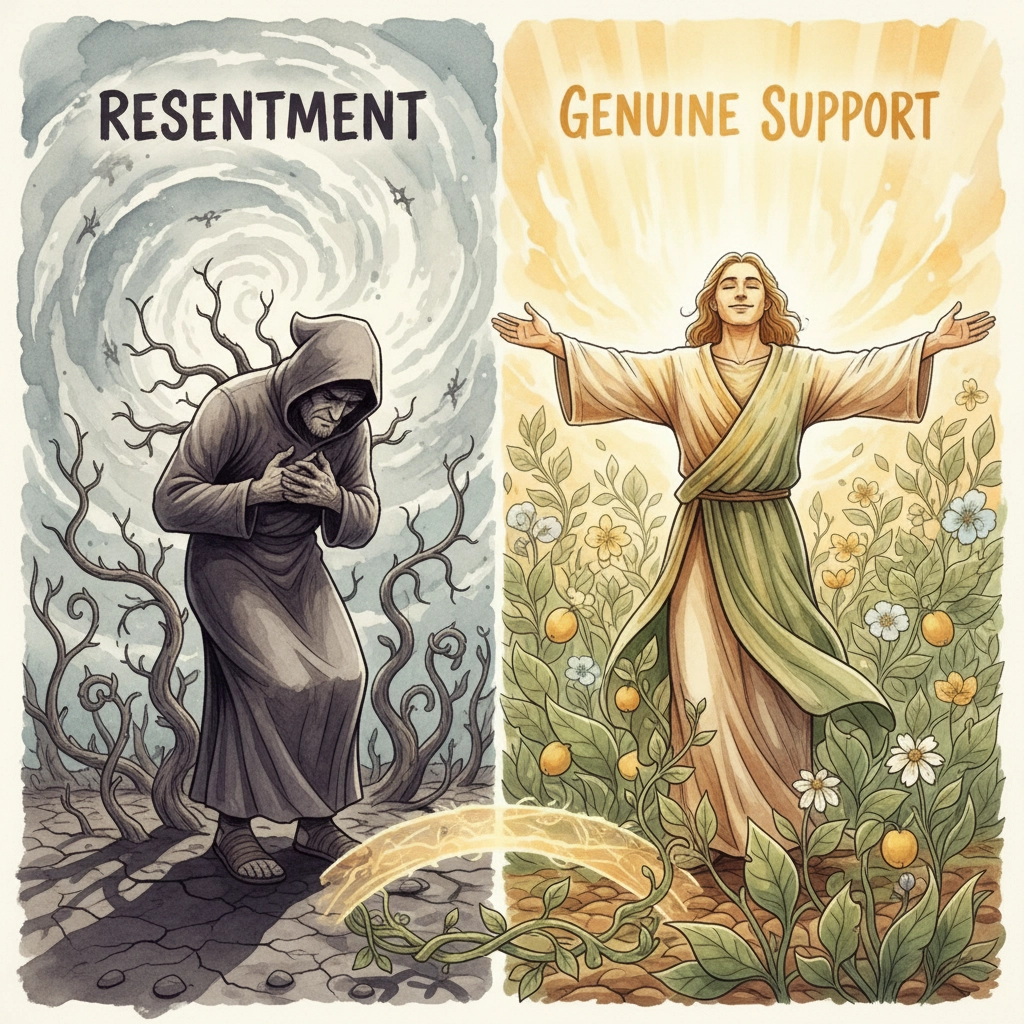
Mistake #4: Getting Bitter About Other People's Success
Comparison truly is the thief of joy, and nowhere is this more obvious than when men start resenting others' achievements. Whether it's a coworker's promotion, a friend's new house, or even a stranger's social media highlights: letting other people's success eat at you is emotional poison.
This resentment doesn't just hurt your mood; it actively damages your capacity for contentment and happiness. Plus, it shows up in how you interact with others, making you less supportive and harder to be around.
How to Fix It: Practice genuinely celebrating others' wins. This isn't about faking it: it's about training your brain to see success as abundant, not scarce. When someone achieves something great, try to learn from them instead of comparing. Focus on your own growth trajectory rather than where you stack up against others right now.
Mistake #5: The "I'm Not Emotional" Lie
This one's huge. Many men defend their lack of emotional awareness by claiming they're "just not emotional people" or "it's just how I am." But here's the kicker: they'll say this right after screaming at the TV during a game or getting road rage over a bad driver.
Men love to forget that anger is an emotion. You can't claim to be unemotional while punching walls, yelling at referees, or losing it in traffic. That's not being "logical": that's being emotionally unaware.
How to Fix It: Own up to the full spectrum of your emotions, including anger. Start paying attention to what triggers different emotional responses in you. Emotional awareness isn't a character flaw: it's a skill that requires development, just like any other ability you've learned.

Mistake #6: Putting Tasks Over Relationships
This is the "get 'er done" trap. Many men become so focused on productivity and results that they completely neglect the relational side of life. At work, this looks like caring more about deadlines than team morale. At home, it's prioritizing chores and projects over quality time with family.
The problem is that relationships require ongoing maintenance, just like your car or your house. When you defer relationship issues in favor of productivity, problems don't disappear: they compound.
How to Fix It: Build relationship check-ins into your routine. This doesn't have to be complicated: just regularly ask people how they're doing and actually listen to the answer. Balance task completion with relationship maintenance. Remember that long-term success often depends more on who supports you than what you accomplish alone.
Mistake #7: Having the Emotional Vocabulary of a 5-Year-Old
Many men can tell you exactly what's wrong with their car engine but struggle to identify whether they're feeling frustrated, disappointed, or overwhelmed. Without emotional vocabulary, you can't communicate effectively about feelings or address underlying issues.
This shows up everywhere: in relationships where your partner feels like they're talking to a wall, in conflicts that never get resolved because you can't articulate what's actually bothering you, and in personal growth that stalls because you can't identify what needs to change.
How to Fix It: Start simple. Ask yourself how you're feeling once a day and try to be specific. Instead of "fine" or "stressed," dig deeper. Are you anxious about a specific outcome? Frustrated with a particular situation? Disappointed about an unmet expectation?
Use emotion wheels that start with basic feelings in the center and branch out to more specific ones. The more accurately you can express yourself, the more likely you are to be understood and get your needs met.
The Bottom Line
Emotional intelligence isn't about becoming more sensitive or dramatic. It's about developing the awareness and skills to work with your emotions constructively instead of being controlled by them.
You have the ability to choose how you react to any situation: you can either overreact or stay calm. But that choice requires awareness, practice, and a willingness to be honest about areas where you need to grow.
Like any skill worth having, emotional intelligence takes time to develop. But the payoff is huge: better relationships, clearer decision-making, less stress, and more authentic confidence. And in a world where many men are struggling with these exact issues, developing emotional intelligence isn't just personal growth: it's leadership.
The Company of Men Society exists to support men in this kind of development. Because real strength isn't about suppressing emotions: it's about understanding and managing them wisely.


Comments
Post a Comment