Are Positive Male Role Models Dead? Here's What Youth Mentorship Programs Really Show
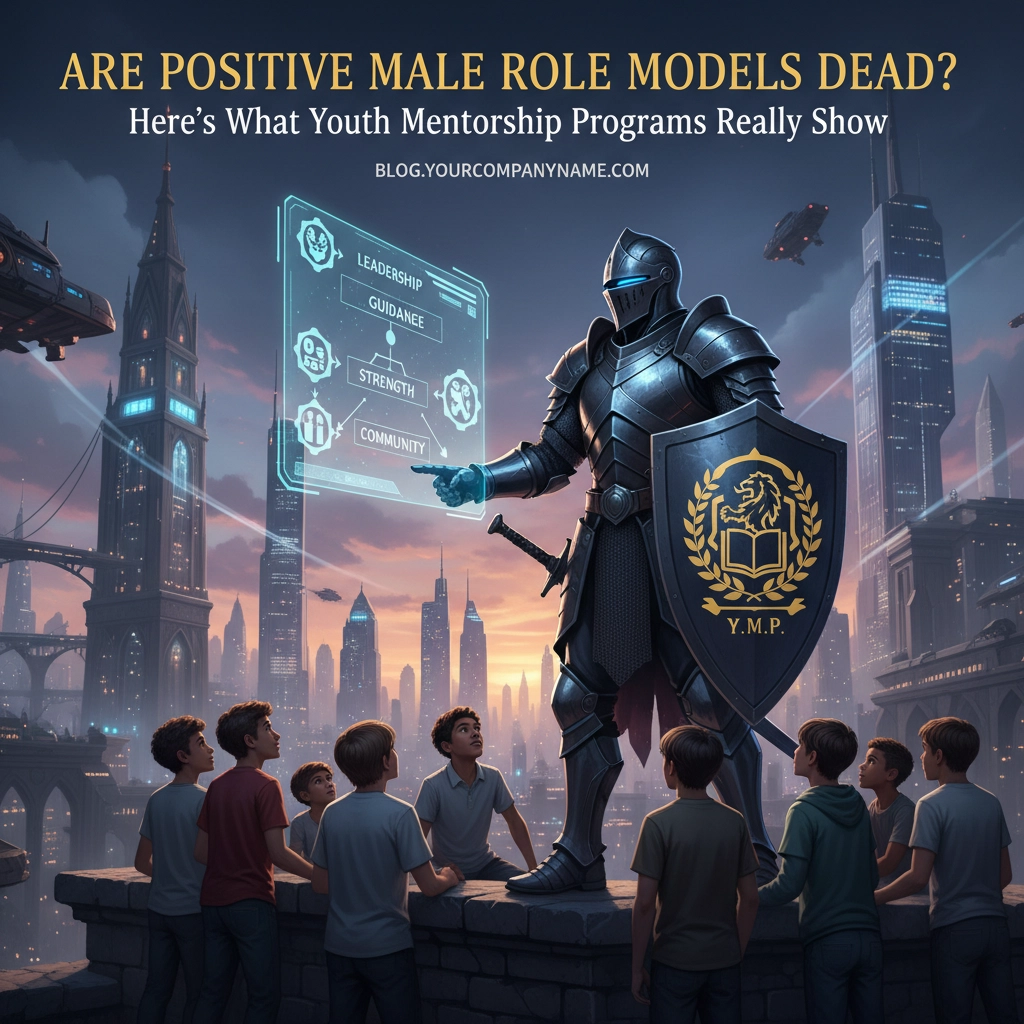
The question hits hard: Are positive male role models dead in 2025?
Walk through any high school hallway, scroll through social media, or listen to conversations among young men today, and you might think the answer is yes. But here's what the data from youth mentorship programs across Canada and beyond actually reveals: and it's not what you'd expect.
The Harsh Reality: A Brotherhood in Crisis
Let's start with the uncomfortable truth. More than one in three young adults (35%) report growing up without any mentor figure in their lives. That's not just a statistic: that's millions of young men navigating the treacherous path to manhood without a guide.
In British Columbia alone, declining participation in traditional male spaces: unions, community groups, even hockey leagues: has created a mentorship desert. The places where older men once naturally connected with younger ones are disappearing faster than we can replace them.

But here's where it gets interesting. The crisis isn't that positive male role models are extinct. It's that they've become harder to find, recognize, and access. Like knights scattered after a great battle, they exist: but the old systems that brought them together with those who need them most have broken down.
What the Research Actually Reveals
When researchers dig into youth mentorship programs, they uncover something remarkable. Positive male role models remain the strongest predictor of healthy attitudes in boys, especially toward their female peers and themselves.
Young men with access to these figures are more likely to:
- Develop emotional intelligence and healthy coping mechanisms
- Excel academically and make better life choices
- Build respectful relationships with women
- Resist the pull of toxic online influences
The impact isn't just measurable: it's transformational. Boys who connect with positive male mentors show improved mental health, stronger moral compasses, and better preparation for responsible adulthood.
The Mentorship Renaissance: Programs Leading the Charge
Across Canada, youth mentorship programs are emerging as the new battleground for healthy masculinity. Take programs like Boys to Men, which operates in various provinces, creating structured environments where multiple positive male role models show up consistently for young men.
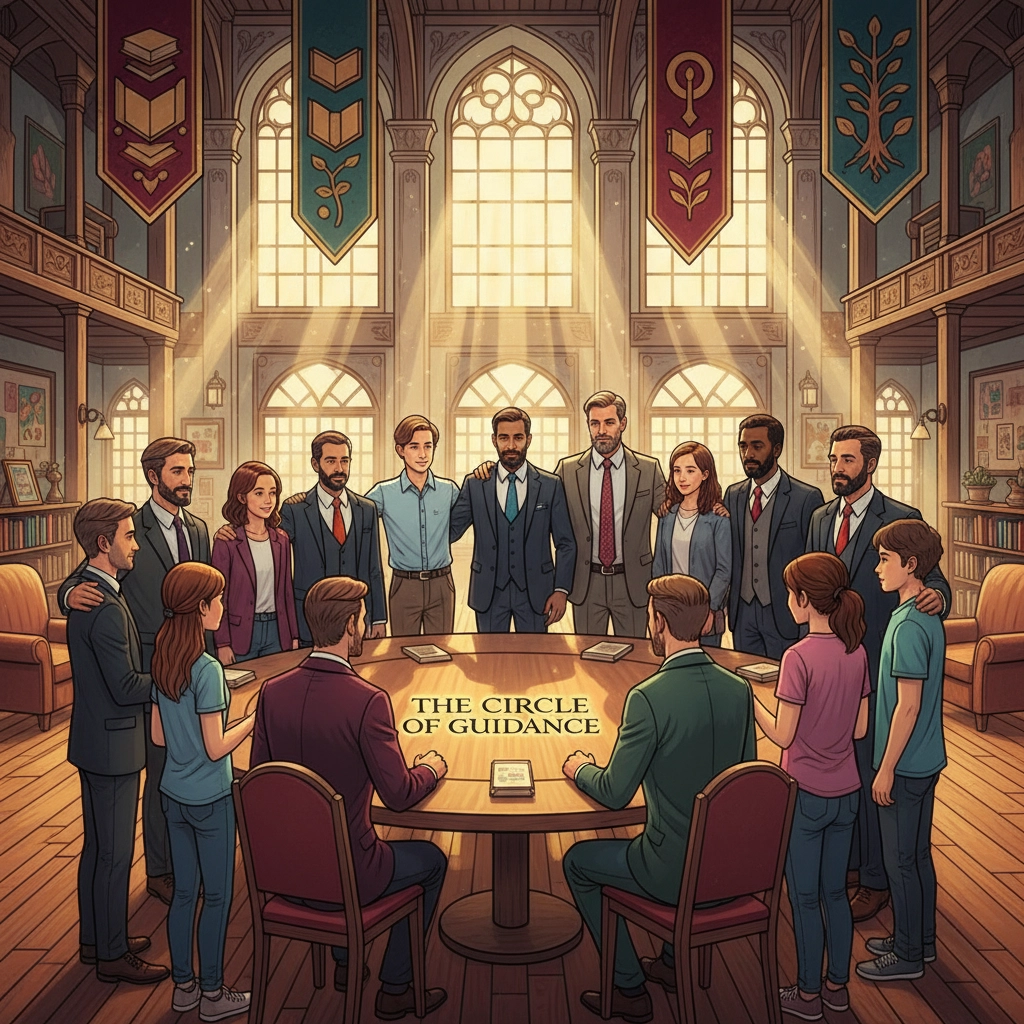
These programs operate on a simple but powerful principle: surround young men with men who tell the truth about their struggles, demonstrate emotional strength, and model what healthy masculinity actually looks like in practice.
In BC's Lower Mainland, programs are specifically addressing the mental health crisis among young men by combining mentorship with emotional intelligence training. The results speak for themselves: participants report improved confidence, better relationships, and clearer life direction.
The Unsung Heroes: Everyday Influencers
Here's what many miss in the conversation about male role models: they're often hiding in plain sight. Research shows that positive male influences exist "all around" young people: teachers, coaches, community volunteers, even older brothers or cousins.
The problem isn't absence; it's recognition and intentionality.
Consider the high school shop teacher who stays late to help struggling students. The hockey coach who emphasizes character over winning. The volunteer firefighter who mentors neighborhood kids. These men are practicing healthy masculinity daily, but we rarely acknowledge them as the role models they are.
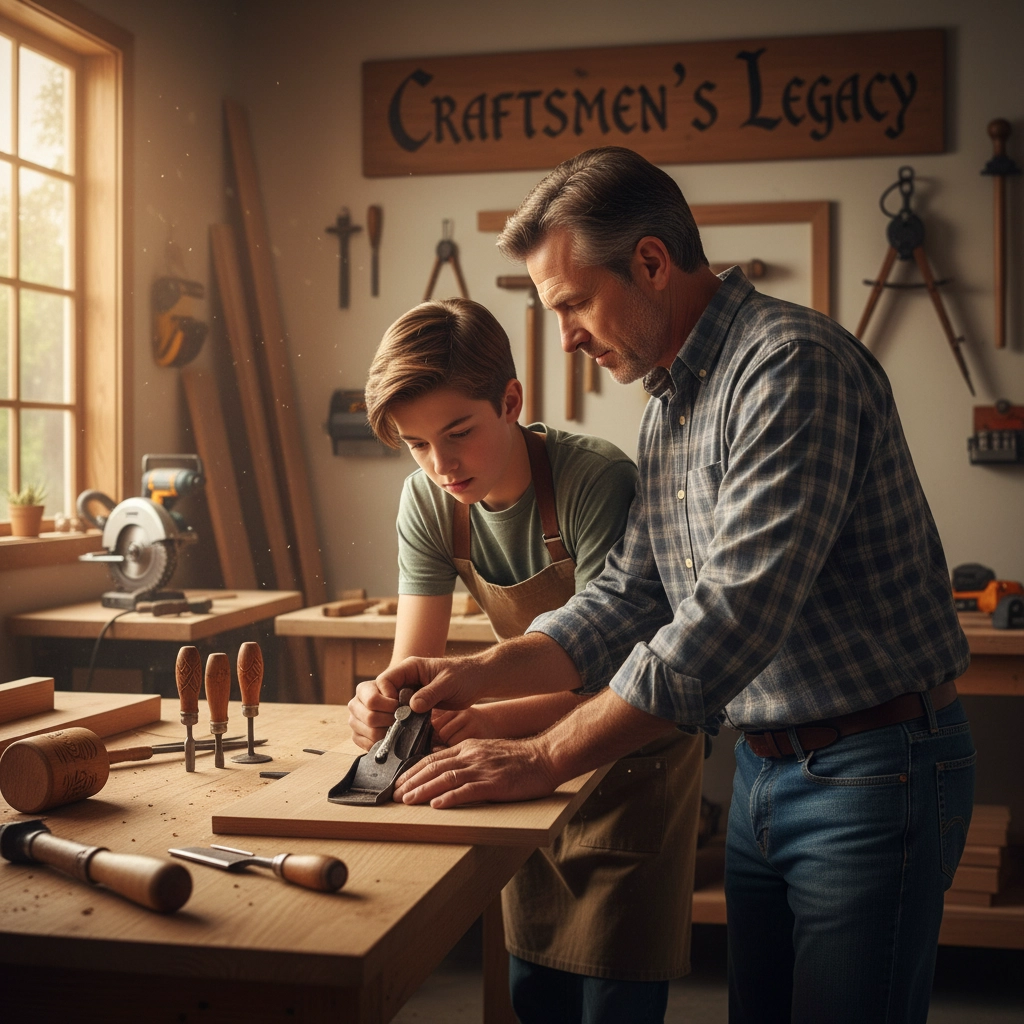
Modern mentorship programs are learning to identify and amplify these everyday heroes. Instead of waiting for formal mentor-mentee relationships, they're training community members to recognize mentoring moments and step into them intentionally.
The Evolution of Masculine Leadership
What's actually happening isn't the death of positive male role models: it's their evolution. The stoic, emotionally distant "strong silent type" that previous generations idealized is giving way to something more complete.
Today's most effective male role models demonstrate:
- Emotional honesty without weakness
- Vulnerability paired with strength
- Service to community and family
- Integrity in both public and private moments
This isn't about becoming "softer" men. It's about becoming more complete ones: men who can lead in crisis, provide in difficulty, protect what matters, and still connect authentically with the people in their lives.
The Canadian Context: Unique Challenges and Opportunities
In Canada, we face specific challenges in male mentorship. Our vast geography means rural young men often grow up isolated from diverse male influences. Urban centers like Vancouver and Toronto see young men overwhelmed by competing messages about masculinity from global media.
But we also have unique advantages. Canadian values of community service, multiculturalism, and social responsibility create natural frameworks for healthy male mentorship. Programs that tap into these values: connecting young men through service projects, outdoor activities, and community building: show exceptional success rates.

Indigenous communities across BC have maintained mentorship traditions that other programs are learning from. The concept of elders guiding youth through life transitions offers a model that transcends cultural boundaries.
Building the Next Generation of Knights
The most successful mentorship programs don't just provide role models: they create them. Young men who receive mentorship are more likely to become mentors themselves, creating a positive cycle that compounds over generations.
This is where the feudal model becomes relevant. Like knights who were trained by other knights and expected to train the next generation, healthy masculinity perpetuates itself through intentional relationship and responsibility.
Modern programs are establishing "brotherhood chains": where every participant commits to eventually mentoring others. It's an old concept applied to contemporary challenges, and it works.
The Call to Action: Every Man a Mentor
Here's what youth mentorship programs conclusively show: positive male role models aren't dead, but they need activation.
If you're reading this, you're likely either someone who needs mentorship or someone capable of providing it. Maybe both. The question isn't whether good men exist: it's whether they're stepping up when it matters.
For young men seeking mentorship: Look around your community. The positive male role models are there: in schools, workplaces, community centers, even online communities focused on growth rather than grievance.
For men capable of mentoring: Your community needs you. Whether through formal programs or informal relationships, your experience and wisdom can literally change lives.
The Verdict: Evolution, Not Extinction
The data from youth mentorship programs delivers a clear verdict: positive male role models aren't dead: they're evolving. The crisis is real, but so is the response.
What we're witnessing isn't the end of masculine leadership, but its transformation into something more effective for modern challenges. Men who can demonstrate strength and sensitivity, leadership and service, protection and connection.
The knights aren't gone. They're adapting their armor for new battles, learning new ways to serve their communities and guide the next generation toward honor, purpose, and genuine strength.
The question isn't whether positive male role models exist. It's whether we'll answer the call to be them.
Ready to be part of the solution? The Company of Men Society connects men committed to healthy masculinity, community service, and mentoring the next generation. Because every man has the potential to be someone's positive influence.


Comments
Post a Comment